Looking Ahead: The Hygiene Risks That Will Matter Most in the Next Five Years
4 June, 2026
Hygiene sits at the intersection of biology, behaviour, infrastructure, and power, and in the years ahead, pressures on all these fronts are intensifying. Climate change is straining the systems that support basic hygiene. Gender inequalities are shaping who bears the burden when those systems fail. And the tools we use to measure hygiene progress may not yet be capturing what matters most.
To explore what the next five years hold, RGHI-funded researchers share their perspectives. Their contributions, from Malawi, Kenya, Mexico, Bangladesh and the UK, paint a picture of a field at a critical juncture: one that must look beyond individual behaviour to the structural conditions that make hygiene possible, or impossible, for the people who need it most.
Max Eyre
Over the next few decades, large-scale climate-related emergencies such as major floods, droughts and storms will continue to trigger hygiene crises and disease outbreaks. These incidents can result in a substantial health burden occurring over a short period of time, but they are only part of the picture. An equally important, yet often overlooked, impact of climate change is how it reshapes daily hygiene risks amid more variable and extreme weather conditions, resulting in cumulative increases in exposure that may be small for any one person but add up to significant health burdens across large at-risk populations.
Addressing these risks requires us to focus on the systems that support hygiene, rather than placing responsibility on individuals and their behaviours. Climate variability and more extreme weather are already placing a strain on the basic services that people rely on, including water supply, sanitation, drainage and waste collection. Hygiene-related health risks are often driven by existing inadequacies in these services, which are then exacerbated by extreme weather. But we are also seeing breakdowns in hygiene in places with services at current “improved” standards. Together, these pressures can lead to a deterioration in hygiene conditions and increased daily risk of exposure to the contaminated environment. While progress in expanding access to hygiene services remains a clear priority, it must be supported by improvements in the reliability and resilience of the systems that support good hygiene to ensure that we continue to protect health under climate change.
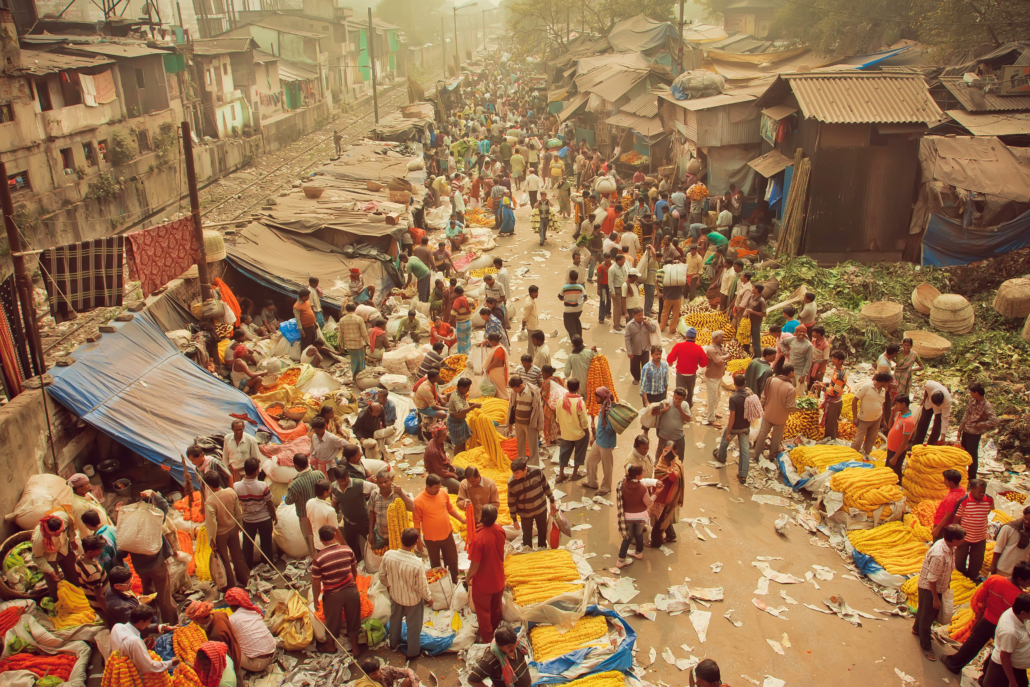
Importantly, climate-related hygiene risks do not affect everyone equally. Socially and economically marginalised populations are often both more exposed to environmental hazards and less protected by services. For example, in low-income, informal urban communities this can result in regular contact with floodwater, reliance on intermittent or unsafe water for handwashing, or exposure to open drains and animal waste. It is these local conditions that increase the likelihood that climate hazards translate into hygiene risks. Prioritising hygiene for the most marginalised populations will therefore be essential for preventing these ‘hidden’ daily exposures and reducing future climate-related disease burdens.
Bethany Caruso
Women and girls have specific biology-related hygiene needs and gender-related hygiene responsibilities that many already find challenging to meet, and increasingly compromised environmental and social conditions are likely to exacerbate their circumstances and heighten risks to their well-being in the years to come.
In terms of biology-related hygiene needs, women and girls who menstruate require reliable access to materials, soap, water, and private spaces to wash themselves, their clothing, and (as applicable) reusable materials. When water access is not assured—due to environmental conditions or forced displacement, for example—women and girls’ abilities to meet their menstrual hygiene needs are weakened, threatening their health as well as their dignity. Recent research from my team found women living in a water-scarce area in Kenya collect too little water to be able to meet all of their and their families’ needs; on average, women walked 8.5km for over 2.5 hours to collect only 12L of water for their whole household, (1) a volume well below what the WHO recommends for a single person in a day. (2) In the face of a low water supply, hygiene suffers, especially women’s hygiene. Women—who bear the gendered responsibility of being the primary water collectors globally (3) —economise household water use. They have reported bathing and washing clothes, utensils, and hands less often as the top measures taken to do so. (4) Given their gendered responsibility as water providers, women provide water for the hygiene needs of others in their households over their own; failing to do so has led some women to experience harm. (4, 5) Climate change and conflict are projected to further constrain water access—and thus hygiene—in the years to come. (6,7)
Looking ahead, to ensure women’s and girls’ needs are met, and inequities are not exacerbated, programmes, policies, and investments need to start centring women and girls now. This means that rigorous data on women’s and girls’ experiences must be collected to ensure their needs and responsibilities are integrated and that women and girls are involved in and are influencing decisions.
Kondwani Chidziwisano
For many children in Malawi and across sub-Saharan Africa, early childhood development (ECD) centres are where hygiene habits first take shape. This makes them both a critical opportunity and a critical vulnerability.
Climate shocks, floods, droughts, and erratic seasons are already disrupting fragile infrastructure in schools and ECD settings. When water systems fail or latrines are damaged, hygiene routines collapse quickly, and the consequences for children’s health and development can be lasting. The problem is not only one of climate, however. Even in stable conditions, handwashing with soap remains hard to sustain, and children’s toilet use is particularly challenging in settings where open urination at home is normalised. Habits formed in early childhood tend to persist, which means the window we have to get this right is both valuable and brief.
Part of the answer lies in embedding hygiene more deeply into daily routines, rather than treating it as an add-on. When handwashing, safe toileting, and food hygiene are woven into the fabric of how ECD centres operate, children are more likely to internalise these behaviours as simply part of how life works.
There is also an opportunity to rethink infrastructure itself. Buckets with taps are functional, but they are not motivating, especially for young children. The Fourth Industrial Revolution offers tools, including AI-assisted design, to develop hygiene facilities that are child-centred, contextually appropriate, and genuinely engaging. But these innovations must be tested carefully before they are scaled. And underpinning all of this is a more fundamental issue: within the WASH sector, hygiene still receives far less attention and investment than water and sanitation. That imbalance urgently needs to change.
Lucía Félix Beltrán & Elizabeth Thomas
Underlying all of this is a measurement problem. Despite the many practices encompassed by hygiene, monitoring has largely focused on handwashing facilitators (e.g., presence of a handwashing station). While these indicators provide insights into service availability and functionality, they fail to capture whether services are accessible, acceptable, or adequate for meeting users’ needs. Experiential measures provide a valuable perspective on what people undergo when accessing and using water, sanitation, and hygiene services to support daily needs and well-being. In this context, a multi-institutional group of researchers took the first steps toward developing a scale for measuring hygiene experiences. The Hygiene Experiences Scale project pilot tested a holistic set of items to measure individuals’ hygiene experiences, extending beyond handwashing to include environmental cleaning and waste management, food safety, body washing, clothing, and menstruation, among others. Preliminary fieldwork in Bangladesh and Mexico underscored that hygiene experiences are influenced by contextual factors and complementary to supply-side metrics. Measuring hygiene experiences is distinct from efforts to measure water insecurity and sanitation experiences because hygiene is not a single, tangible “thing”. Additional piloting in diverse settings will inform a universal, cross-culturally validated scale that can support policymakers, practitioners, and researchers.
Max Eyre, Bethany Caruso, Kondwani Chidziwisano, Lucía Félix Beltrán & Elizabeth Thomas


 Malaysian street food on display by jandrielombard (iStock Content Licence Agreement https://www.istockphoto.com/legal/license-agreement)